We have a crisis in our prisons and jails.

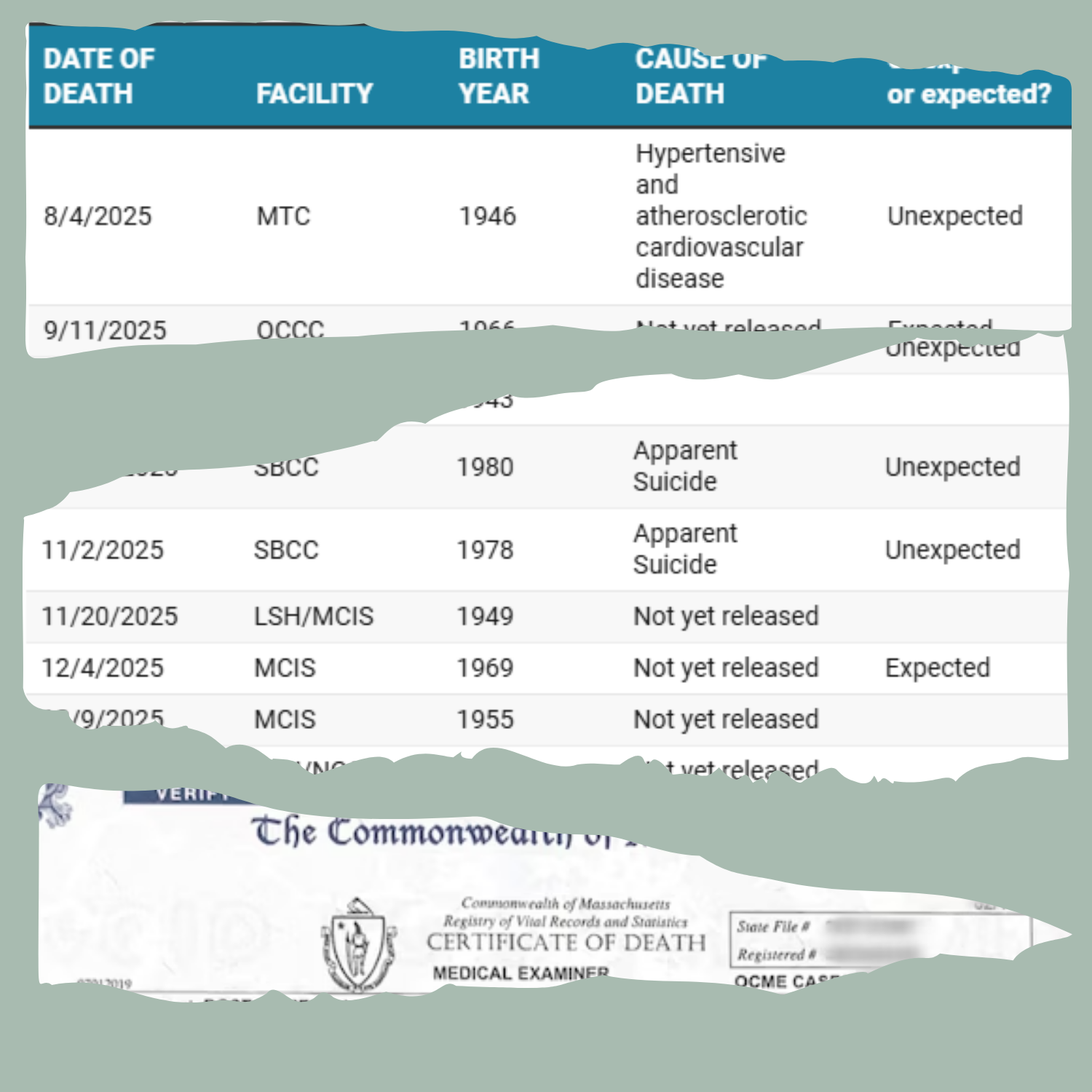
Over 140 people have died in our prisons and jails since 2022. None of these deaths were inevitable. They are the result of policy failures. Policies that warehouse people with mental illness in solitary-like units, policies that restrict basic familial and community connection, and policies that leave the elderly and the infirm to die “expected” deaths, shackled to a bed.

Together, we can dismantle systems that cause harm and build systems that create healing.
Change Starts With Us

A small package of critical legal system reform bills have advanced to the committee on Ways and Means and are well positioned to be acted upon by the legislature this session. Each of these bills represents an opportunity to reduce incarceration, redirect spending to where it is most needed, and improve conditions for particularly vulnerable carceral populations, specifically young people, families, survivors of abuse and sexual violence, and elders.

This platform includes:

Over 100 organizations have signed on in support. Now we need you to tell your legislators to make this a priority:

Evaluation of 2025 Deaths by Suicide

Dr. Barboza was engaged by the DOC to review incidents of deaths by suicide of individuals incarcerated within the DOC during calendar year 2025. Shed assessed the totality of events, examined common themes in these incidents, and ensured policy and practice were addressing the needs of the DOC population. Additionally, she was asked to offer any additions or recommendations for changes to training for mental health professionals and correctional professionals based on her review.

DOJ Monitor Report

 In 2020, the DOJ concluded there was reasonable cause to believe that DOC had violated the 8th Amendment of the U.S. Constitution through its alleged failure to provide adequate mental healthcare to prisoners in crisis, as well as through its alleged placement of prisoners on mental health watch under “restrictive housing” conditions for prolonged periods of time. After a lengthy negotiation, they entered into a Settlement Agreement and appointed a Designated Qualified Expert (DQE) for a four-year term to assess DOC’s compliance with the Agreement.

Medical Parole Fiscal Analysis

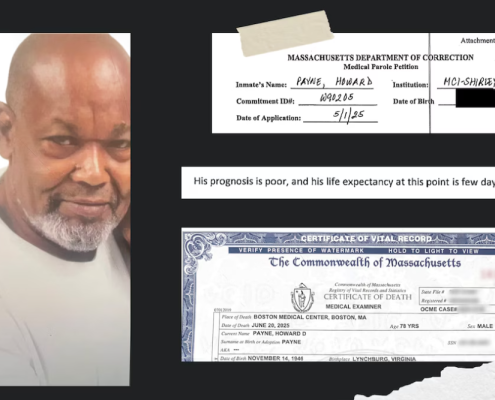
Many deaths in prisons have been labeled as “expected” indicating that our medical parole system is not functioning properly. An act relative to medical and elder parole (H.2693) brings the current medical parole statute into alignment with the original intentions of the Legislature. Massachusetts would save at least $25 million in a single year if 250 elderly people were paroled as a result of this bill’s passage.

Letter to Legislators 

Prisoners’ Legal Services, Families for Justice as Healing, the Keeping Families Connected Coalition, Jane Doe, Inc., Medical Justice Alliance-MA Chapter, Progressive Massachusetts, and Citizens for Juvenile Justice teamed up to write a letter to the Senate and House Committees on Ways and Means, the Speaker of the House, and the Senate President urging them to prioritize a package of six critical bills this session. Over 100 organizations have signed on in support of these bills.

Death Under Watch

Death Under Watch” is an ongoing series by MassLive and The Springfield Republican investigating deaths in Massachusetts prisons and jails.

Reporters Hadley Barndollar and Greta Jochem have spent months investigating the deaths of individuals behind bars in the commonwealth — ranging from suicide to sickness. They probed an uptick in prison suicides and the outcomes of the state’s medical parole system.

You can find all of the stories in the series below. This page will be updated as additional stories are published.

Content warning: Some stories address suicide, self-harm and mental illness.